Automated visual inspection in manufacturing has become a critical technology for modern production environments where precision, speed, and consistency are non negotiable. As manufacturers face increasing pressure to reduce defects, control costs, and meet strict quality standards, manual inspection methods are no longer enough. Automated visual inspection systems powered by advanced cameras, sensors, and artificial intelligence are transforming how manufacturers detect defects and maintain product quality at scale.
What Is Automated Visual Inspection in Manufacturing
Automated visual inspection refers to the use of machine vision systems to automatically examine products, components, or assemblies during the manufacturing process. These systems capture high resolution images or video and analyze them in real time to identify defects, inconsistencies, or deviations from predefined quality standards.
Read More : What UX Analytics Reveal About User Behavior
Unlike manual inspection, which relies heavily on human judgment and can vary from operator to operator, automated visual inspection delivers consistent and repeatable results. It can be deployed at various stages of production, including raw material inspection, in process checks, and final quality control.
Why Manufacturers Are Shifting to Automated Visual Inspection
Manual inspection struggles to keep up with high speed production lines and often leads to missed defects, fatigue related errors, and inconsistent evaluations.
Automated visual inspection in manufacturing solves these challenges by offering continuous inspection at production speed. Systems operate 24/7, reduce dependency on skilled inspectors, and improve overall inspection reliability. As product complexity increases and tolerances become tighter, automation becomes essential rather than optional.
Key Components of Automated Visual Inspection Systems
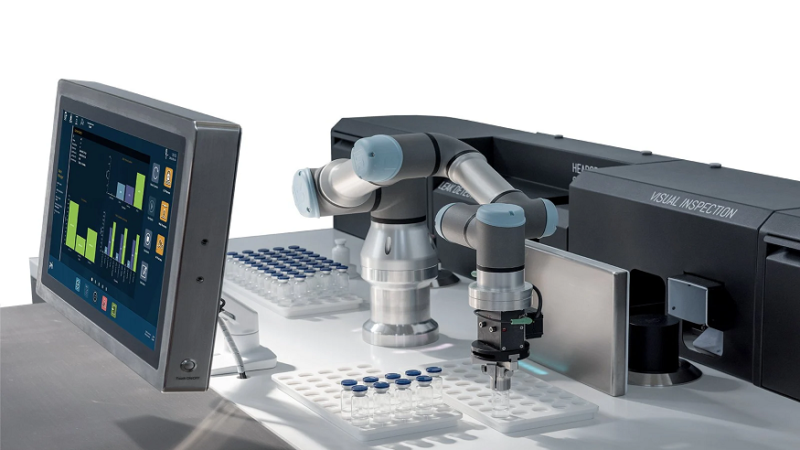
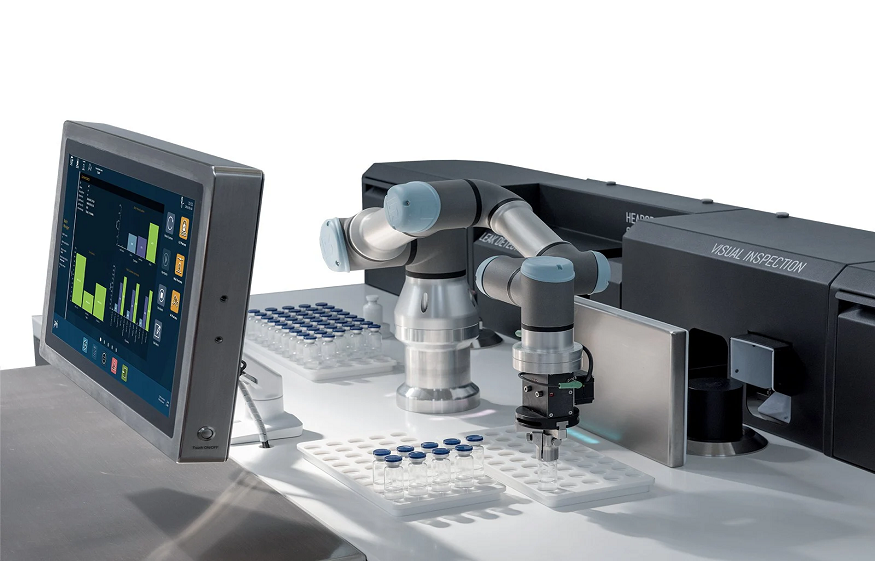
A typical automated visual inspection system includes several core components working together seamlessly. High performance cameras capture detailed images of products from multiple angles. Lighting systems ensure consistent illumination so defects are clearly visible regardless of surface finish or color.
Image processing software analyzes captured visuals using predefined rules or AI driven algorithms. In more advanced systems, machine learning models are trained to recognize acceptable variations versus actual defects. Integration with manufacturing execution systems allows real time feedback and automated rejection of defective parts.
Common Applications Across Manufacturing Industries
Automated visual inspection is widely used across industries such as automotive, electronics, pharmaceuticals, food and beverage, and packaging. In electronics manufacturing, systems detect soldering defects, missing components, and alignment issues on circuit boards.
In automotive production, automated inspection checks weld quality, surface defects, and dimensional accuracy. Pharmaceutical manufacturers rely on visual inspection to verify labeling accuracy, packaging integrity, and contamination free products. Even in food processing, systems identify foreign objects, improper sealing, and visual inconsistencies.
Benefits of Automated Visual Inspection in Manufacturing
One of the most significant benefits is improved product quality. Automated inspection catches defects early, preventing faulty products from reaching customers and reducing costly recalls. This directly enhances brand reputation and customer trust.
Another major advantage is increased operational efficiency. Inspection happens in real time without slowing down production lines. Manufacturers also gain better data visibility, as inspection results are logged and analyzed to identify recurring issues and process improvements.
Cost savings are another key driver. While initial investment may seem high, automated visual inspection reduces labor costs, minimizes scrap and rework, and lowers long term quality related expenses. Over time, the return on investment becomes substantial.
Role of Artificial Intelligence in Modern Inspection Systems
Traditional rule based inspection systems work well for simple, well defined defects. However, modern manufacturing often involves complex products with natural variations. This is where artificial intelligence plays a crucial role.
AI powered automated visual inspection systems learn from large datasets of images and improve over time. They can detect subtle defects that are difficult to define with fixed rules and adapt to changes in materials or designs. This flexibility makes AI driven inspection ideal for high mix, low volume manufacturing environments.
Challenges and Considerations Before Implementation
Despite its advantages, implementing automated visual inspection in manufacturing requires careful planning. System accuracy depends heavily on proper lighting, camera placement, and image quality. Poor setup can lead to false positives or missed defects.
Training AI models also requires high quality labeled data. Manufacturers must invest time in collecting representative samples and validating system performance. Integration with existing production lines and software systems should be planned to avoid disruptions.
It is also important to choose scalable solutions that can adapt as production needs evolve. A system that works well today should be flexible enough to handle future product variations and increased volumes.
How Automated Visual Inspection Supports Industry 4.0
Automated visual inspection plays a vital role in Industry 4.0 initiatives. By connecting inspection systems with smart factories, manufacturers gain real time insights into production quality. Defect trends can trigger automatic process adjustments, reducing downtime and improving yield.
When combined with data analytics and predictive maintenance, visual inspection data helps identify root causes of defects before they escalate. This proactive approach shifts quality control from reactive correction to continuous improvement.
Future Outlook for Automated Visual Inspection in Manufacturing
The future of automated visual inspection is closely tied to advancements in AI, edge computing, and sensor technology. Systems are becoming faster, smarter, and more affordable, making them accessible even to small and mid sized manufacturers.
Read More : The digital transformation of public services
As customer expectations rise and regulatory requirements tighten, automated visual inspection will continue to evolve from a quality control tool into a strategic asset. Manufacturers that invest early will be better positioned to compete in an increasingly quality driven global market.
Final Thoughts
Automated visual inspection in manufacturing is no longer a luxury but a necessity for companies aiming to maintain high quality standards while scaling production. By replacing subjective manual checks with precise, data driven inspection, manufacturers achieve better consistency, reduced costs, and stronger customer confidence.
As technology advances, automated visual inspection will become even more intelligent and integrated, shaping the future of efficient, resilient, and competitive manufacturing operations.