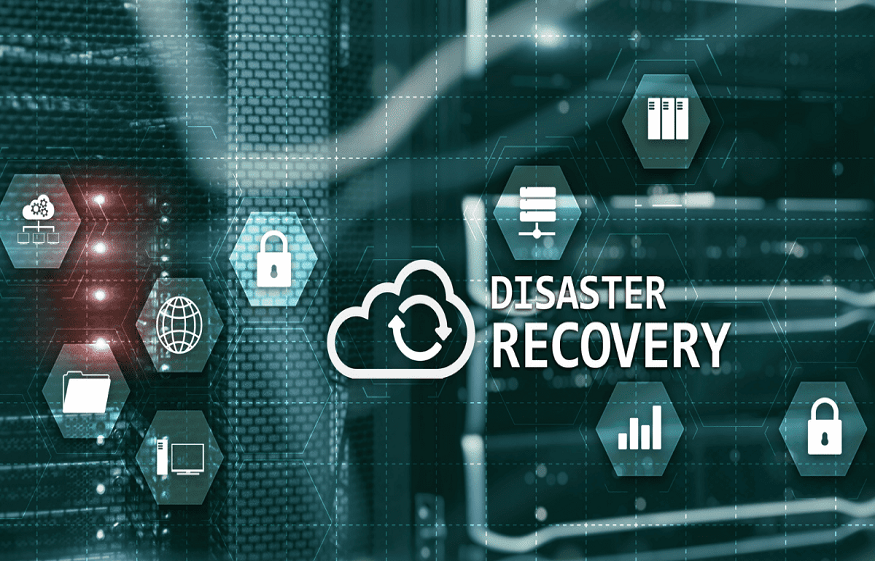
Backup & Disaster Recovery is no longer just an IT checkbox. It is a core business requirement for organizations that depend on data, applications, and uninterrupted operations. From cyberattacks and hardware failures to natural disasters and human error, modern businesses face constant risks that can disrupt systems and compromise sensitive information. A strong Backup & Disaster Recovery strategy ensures that when the unexpected happens, your organization can recover quickly, minimize downtime, and continue operating with confidence.
Understanding Backup & Disaster Recovery
Backup refers to creating secure copies of critical data so it can be restored if the original data is lost, corrupted, or compromised. Disaster Recovery focuses on restoring systems, applications, and infrastructure after a major incident such as ransomware, power outages, or large-scale outages.
Read More: How to Monitor Competitor Prices: A Practical Guide for Smarter Pricing Decisions
Together, Backup & Disaster Recovery form a unified approach that protects both data and business operations. Backup safeguards information, while Disaster Recovery ensures business continuity by restoring access to that information within defined recovery timelines.
Why Backup & Disaster Recovery Is Essential for Modern Businesses
Data loss can have severe consequences, including revenue loss, reputational damage, regulatory penalties, and operational downtime. Businesses that lack a structured recovery plan often struggle to resume operations after an incident.
Backup & Disaster Recovery provides businesses with predictable recovery outcomes. It allows organizations to define Recovery Time Objectives and Recovery Point Objectives that align with business priorities. This means knowing how fast systems must be restored and how much data loss is acceptable in a worst-case scenario.
In highly competitive markets, even a few hours of downtime can result in lost customers and missed opportunities. A reliable recovery strategy protects not just data, but customer trust.
Common Threats That Make Backup & Disaster Recovery Necessary
Cybersecurity threats continue to rise, with ransomware being one of the most damaging. Attackers often encrypt or destroy primary data, leaving businesses unable to operate unless they pay a ransom. Without clean and isolated backups, recovery becomes extremely difficult.
Hardware failures are another major risk. Servers, storage devices, and network components can fail without warning. Natural disasters such as floods, fires, and earthquakes can take entire data centers offline. Even simple human mistakes like accidental deletion can cause significant data loss.
Backup & Disaster Recovery addresses all these risks by ensuring multiple recovery options are available when primary systems fail.
Key Components of an Effective Backup & Disaster Recovery Plan
An effective strategy begins with identifying critical data and systems. Not all data requires the same level of protection, so businesses should classify data based on importance and usage.
Backup frequency is another key element. Critical systems may require near-real-time backups, while less sensitive data can be backed up daily or weekly. Backups should also be stored securely in multiple locations, including offsite or cloud-based environments.
Disaster Recovery planning includes documented recovery procedures, tested failover systems, and clearly defined responsibilities. Regular testing ensures that recovery processes work as expected during real incidents.
Cloud-Based Backup & Disaster Recovery Solutions
Cloud technology has transformed Backup & Disaster Recovery by offering scalability, flexibility, and cost efficiency. Cloud-based backups reduce reliance on physical infrastructure and provide secure offsite storage.
Cloud Disaster Recovery enables businesses to restore systems quickly without maintaining secondary data centers. In many cases, virtual environments can be spun up within minutes, significantly reducing downtime.
Cloud solutions also support automation, monitoring, and encryption, which improves reliability and compliance with data protection regulations.
Compliance and Regulatory Considerations
Many industries are subject to strict data protection and retention requirements. Regulations often mandate secure backups, audit trails, and defined recovery capabilities.
Backup & Disaster Recovery plays a crucial role in meeting compliance standards by ensuring data is protected, recoverable, and accessible when required. Regular testing and documentation further support compliance audits and risk assessments.
Failing to meet regulatory expectations can result in fines and legal exposure, making recovery planning a critical governance function.
Business Benefits Beyond Data Protection
While data protection is the primary goal, Backup & Disaster Recovery also delivers strategic business benefits. It supports operational resilience, enabling organizations to adapt to disruptions with minimal impact.
A strong recovery posture improves stakeholder confidence, including customers, partners, and investors. It also reduces long-term costs by preventing extended outages and expensive emergency recovery efforts.
By integrating Backup & Disaster Recovery into broader IT and cybersecurity strategies, businesses create a foundation for sustainable growth and digital transformation.
Choosing the Right Backup & Disaster Recovery Approach
Every organization has unique requirements based on size, industry, and risk tolerance. Small businesses may prioritize simplicity and cost efficiency, while enterprises often require advanced automation and rapid recovery capabilities.
Read More: Automated Visual Inspection in Manufacturing: Improving Quality, Speed, and Accuracy
The right solution should align with business objectives, scalability needs, and security standards. Ongoing monitoring, regular testing, and continuous improvement are essential to ensure long-term effectiveness.
Final Thoughts
Backup & Disaster Recovery is not just about preparing for worst-case scenarios. It is about building confidence in your systems, protecting your data, and ensuring your business can withstand disruptions without losing momentum. Organizations that invest in a well-planned recovery strategy position themselves for stability, trust, and long-term success in an increasingly digital world.