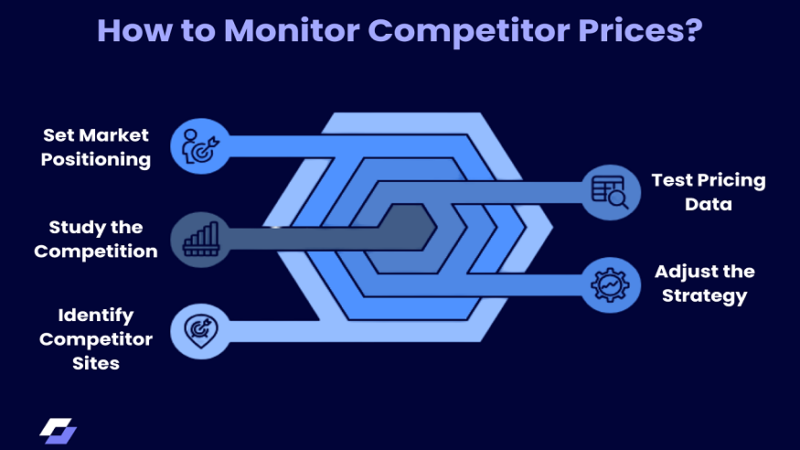
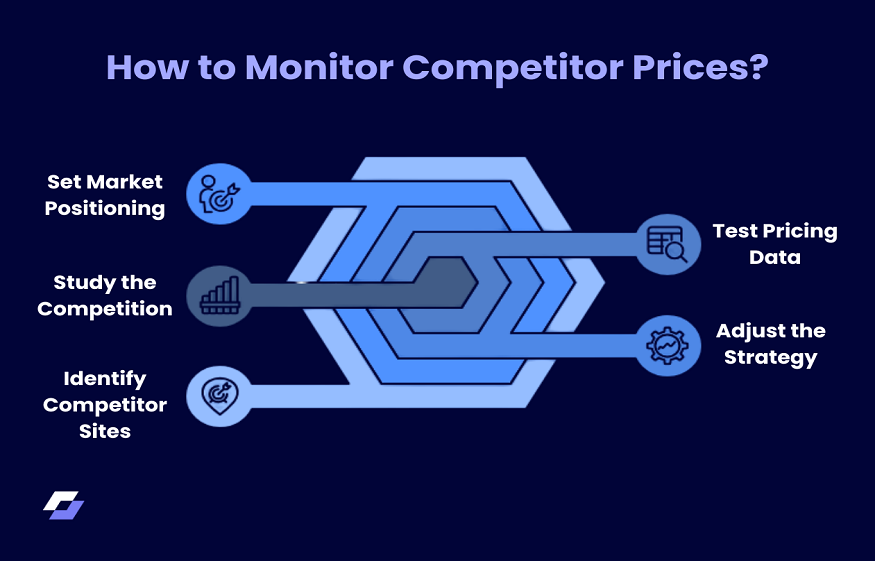
Understanding how to monitor competitor prices has become essential in today’s fast-paced digital marketplace. Pricing plays a major role in influencing conversions, profit margins, and overall brand perception. Without clear insight into what your competitors are charging, your pricing decisions are based on guesswork. Whether you operate an ecommerce store, a SaaS platform, or a service-based business, keeping an eye on competitor pricing helps you remain competitive while safeguarding your profits.
Why Monitoring Competitor Prices Matters
Price is often one of the first factors customers compare before making a purchase decision. If your pricing is noticeably higher or lower than the market without a clear reason, it can result in lost sales or reduced credibility. By tracking competitor prices, you gain a better understanding of market expectations, uncover pricing gaps, and respond quickly to demand shifts or promotional changes.
Read More: Best Practices from a Premier SaaS Marketing Agency
Beyond immediate sales impact, pricing insights also contribute to long-term strategy. They help you position your brand effectively, decide when to run offers, and identify when competitors are heavily discounting due to excess inventory or seasonal trends.
Identify the Right Competitors to Track
Before you begin monitoring prices, it’s important to define who your true competitors are. Not every business in your niche directly competes with you on pricing. Focus on those offering similar products, services, or features to the same target audience.
Organize competitors into categories such as primary, secondary, and indirect. Primary competitors require close monitoring since their pricing directly affects your customers’ decisions. Secondary competitors provide insight into evolving strategies, while indirect competitors offer a broader view of market positioning.
Decide What Pricing Data to Monitor
Tracking competitor pricing involves more than just looking at listed prices. For meaningful insights, you should monitor multiple pricing elements, including base prices, discounts, bundles, subscription plans, shipping fees, and limited-time deals.
It’s also crucial to track how frequently competitors adjust their prices. Regular fluctuations may signal dynamic pricing strategies or reactions to market demand. Analyzing historical pricing trends over time provides a more accurate picture than relying on one-time observations.
Manual Price Monitoring Methods
For small businesses or startups, manual tracking is often the first step. This typically involves visiting competitor websites, marketplaces, or listings and recording pricing details in spreadsheets.
While this method offers control and accuracy for a limited number of competitors, it becomes inefficient as your product catalog expands. Manual tracking works best for high-value products, smaller competitor sets, or occasional audits rather than continuous monitoring.
Using Price Monitoring Tools and Software
Automated tools make it much easier to monitor competitor prices at scale. These solutions continuously scan competitor websites and marketplaces, collecting real-time pricing data and sending alerts when changes occur.
Most tools allow you to track specific products, analyze pricing trends, and receive instant notifications. This reduces manual effort, minimizes errors, and ensures you stay updated on sudden market movements. When selecting a tool, consider factors like data accuracy, update frequency, integrations, and reporting features.
Monitoring Prices Across Marketplaces
If you sell on platforms like Amazon, eBay, or niche marketplaces, competitor price tracking becomes even more important. These platforms are highly competitive, with prices often changing multiple times a day.
Read More: Part-Time Hours in California: What Employers and Employees Should Understand
Keeping track of marketplace pricing helps you stay competitive, maintain visibility, and respond to undercutting without sacrificing margins. It’s also important to consider additional factors such as platform fees, shipping costs, and seller ratings for a complete comparison.
Analyzing Competitor Pricing Strategies
Collecting pricing data is only part of the process—the real value comes from analyzing it. Look for patterns such as frequent discounts, premium pricing approaches, or psychological pricing tactics.
Understanding the reasoning behind competitor pricing helps you make smarter decisions—whether to match, undercut, or differentiate. For instance, if a competitor relies heavily on discounts, focusing on value rather than price may be a more sustainable approach.
Using Price Data to Adjust Your Strategy
Once you have a solid system in place for monitoring competitor prices, the next step is applying those insights effectively. Price tracking should guide strategic decisions rather than trigger reactive price cuts.
Use the data to refine your positioning, plan promotions, adjust product bundles, or justify premium pricing through added value. In many cases, maintaining consistent pricing while competitors fluctuate can build trust and strengthen your brand image.
Common Mistakes to Avoid in Price Monitoring
One common mistake is focusing only on offering the lowest price. Customers consider multiple factors such as product quality, service, delivery speed, and brand reputation—not just cost. Ignoring these aspects can lead to unnecessary profit loss.
Another mistake is reacting immediately to every price change. Smart pricing decisions should be based on trends and patterns, not short-term fluctuations. Avoid blindly copying competitors without understanding their pricing strategy or cost structure.
Making Price Monitoring a Continuous Process
Competitor pricing is constantly evolving, so your monitoring efforts should be ongoing. Establish a regular routine or use automated systems to track changes consistently. Frequent reviews help you identify seasonal patterns, promotional cycles, and long-term market shifts.
When integrated with your broader marketing, sales, and inventory strategies, price monitoring becomes a proactive advantage rather than a reactive task.
Final Thoughts
Learning how to monitor competitor prices effectively enables businesses to make informed decisions, protect their margins, and stay competitive in crowded markets. Whether you start with manual methods or adopt automated tools, consistency and analysis are key. When used strategically, pricing intelligence not only drives growth but also strengthens your overall market position.