Vinyl Record Production has seen a remarkable resurgence in recent years. What was once considered a niche market for audiophiles and collectors has now become a mainstream medium for music enthusiasts who value the tactile and authentic experience of vinyl. From the crackle of the needle hitting the groove to the warmth of analog sound, vinyl offers an unmatched listening experience. But behind every vinyl record lies a meticulous process that blends craftsmanship, technology, and attention to detail.
The Resurgence of Vinyl
Over the past decade, vinyl records have experienced a revival, driven by a combination of nostalgia and the desire for high-fidelity sound. Collectors and music lovers are drawn to vinyl not only for its sound quality but also for the tangible connection it provides to the music. Limited editions, colored vinyl, and intricate album artwork make each record a unique piece of art. Understanding the intricacies of Vinyl Record Production helps explain why these records are so cherished.
Step 1: Mastering – The Heart of Quality
The first critical stage in Vinyl Record Production is mastering. This involves preparing the final mix of a track for transfer onto a vinyl record. Unlike digital formats, vinyl has physical limitations: low frequencies need to be balanced to prevent distortion, and high frequencies must be adjusted to avoid sibilance. A skilled mastering engineer ensures that every note, beat, and vocal sits perfectly in the groove, preserving the essence of the music.
Read More: What UX Analytics Reveal About User Behavior
Step 2: Cutting the Lacquer
Once mastering is complete, the audio is transferred onto a lacquer disc. Using a precision lathe, a cutting engineer engraves the audio waveform into the lacquer as a continuous groove. This process requires incredible skill, as any imperfection could affect the final sound. The depth, spacing, and angle of the grooves are carefully controlled to ensure optimal playback quality.
Step 3: Electroplating and Stamper Creation
After the lacquer is cut, it undergoes electroplating to create a metal master, which is then used to make stampers. These stampers are essentially molds that press the vinyl. Each step in this process — from nickel plating to trimming — is essential for producing a record that faithfully reproduces the original audio.
Step 4: Pressing the Vinyl
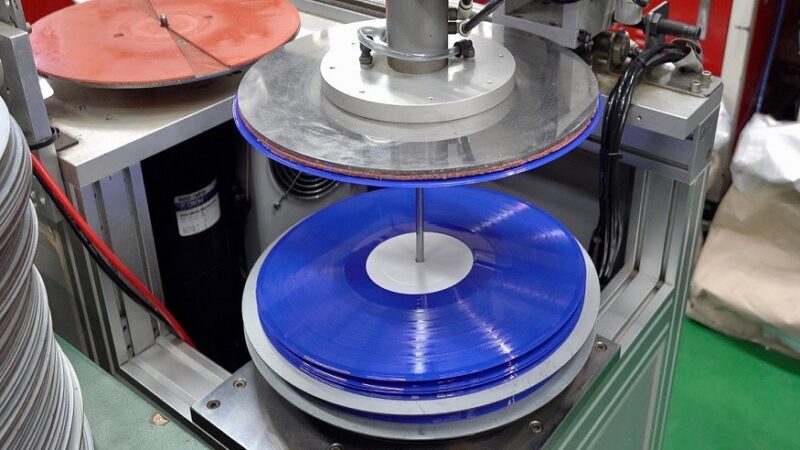
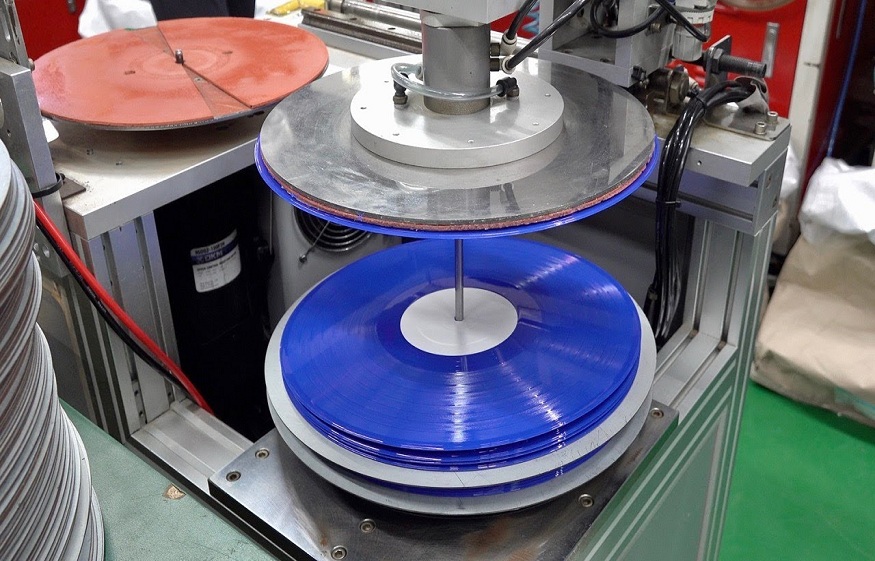
Vinyl pressing is where the magic truly happens. Pellets of vinyl are melted and formed into a biscuit, then placed between the stampers and pressed under high pressure. This imprints the grooves into the vinyl, capturing every nuance of the sound. Color additives can be used to create vibrant records, and heat and pressure are carefully monitored to prevent warping or imperfections.
Step 5: Quality Control
Quality control is a vital part of Vinyl Record Production. Each record is inspected for defects such as surface scratches, off-center pressing, or audio inconsistencies. Test plays are conducted to ensure the sound quality meets the highest standards. This stage guarantees that every listener experiences the music exactly as the artist intended.
Why Vinyl Stands Out
Unlike digital music formats, vinyl records provide a richer and more immersive listening experience. The analog nature of vinyl captures the depth, warmth, and subtle imperfections of live recordings, making each play feel alive. Vinyl also promotes intentional listening — slowing down to appreciate the artwork, liner notes, and physicality of the record adds a unique dimension that streaming services cannot replicate.
Read More : Best Practices from a Premier SaaS Marketing Agency
In the age of digital dominance, businesses supporting vinyl production benefit from specialized services. For instance, companies offering Managed IT Services Dallas play a crucial role in modern record production facilities. From maintaining automated pressing lines to managing digital archives of audio masters, IT services ensure seamless and efficient operations, bridging traditional craftsmanship with modern technology.
Collecting and Preserving Vinyl
Collectors not only appreciate the sound but also the preservation of music history. Proper storage — vertical positioning, climate control, and careful handling — extends the lifespan of a record. Vinyl communities and record stores offer resources for enthusiasts to maintain their collections, highlighting the enduring appeal of this medium.
Conclusion
Vinyl Record Production is both an art and a science, blending technical precision with creative expression. Every step, from mastering to pressing, contributes to the final product that delivers unmatched audio quality and a sensory connection to music. As vinyl continues to reclaim its place in the hearts of music lovers, understanding this process enhances appreciation for every crackle, groove, and note. Whether you’re a casual listener, a collector, or an aspiring musician, the story behind each record enriches the experience and deepens your connection to the music.